



The Evolution of Sol Kerzner
13 April 2026
Celebrity Chefs: The Myth, The Machine, and The Reality Behind the Brand
7 May 2026
The Swiss Hotel School South Africa
What Chefs Don’t Tell You About Service, Costs & Kitchen Pressure
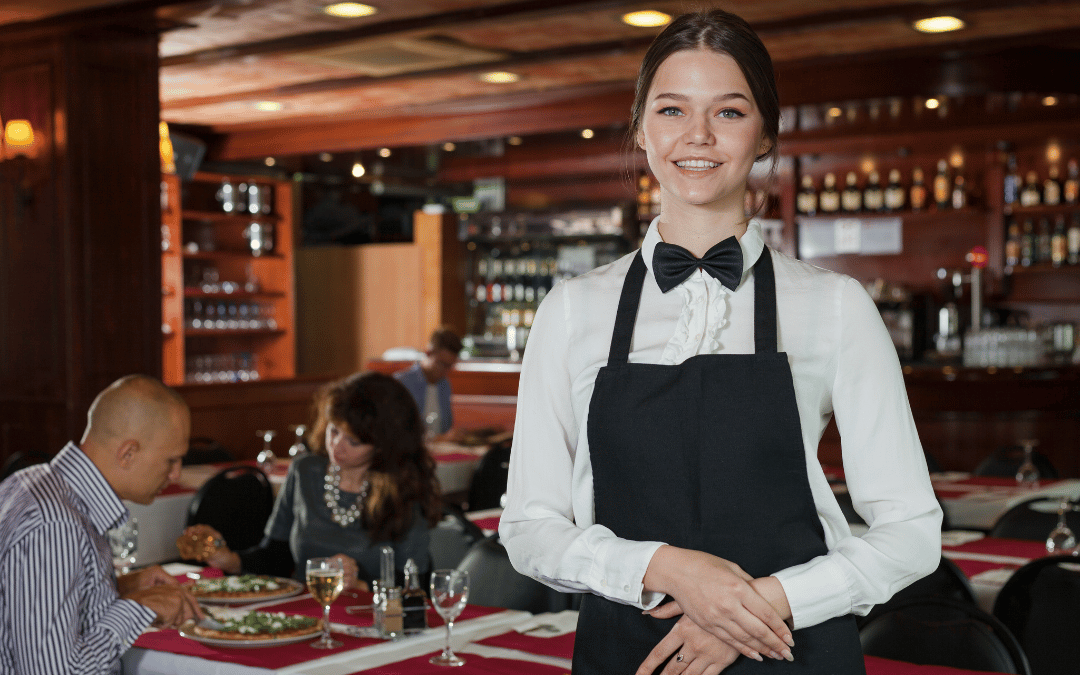
Have you ever sat in a restaurant, looked at the menu, and wondered whether you are ordering the right thing? Many diners rely on the waiter or the menu itself to guide their decisions. There are several restaurant secrets that are not scandalous, but rather part of how the hospitality industry creates a better dining experience.
Menus Are Carefully Engineered
In good restaurants, menus are not simply lists of dishes. They are carefully designed, with every item playing a role. Restaurants use layout, spacing, and boxes—sometimes referred to as “golden frames”—to draw attention to high-profit items. These dishes are not always the most expensive, but they are often placed where guests are most likely to notice them.
Another subtle strategy is the removal of currency symbols. Instead of showing “$150” or “R150,” menus may simply display “150.” This small change can reduce the feeling of spending money and make customers more comfortable placing an order.
The Price Positioning Trick
Many menus feature one item that is priced much higher than the rest. This item is not always there to be sold. Instead, it makes the other dishes appear more reasonably priced. For example, a $295 steak can feel like good value when compared to a $495 steak listed above it.
Waiters Guide the Experience
A well-trained waiter does more than take orders. They guide guests through the dining experience. If a waiter recommends the chef’s special, it may be because it truly is excellent, or because the kitchen wants to sell more of that dish.
Upselling can also happen in subtle ways. Questions such as “Still or sparkling?” or “Is that a double, sir?” are examples of a presumptive upsell. These suggestions are subtle, but effective.
Another technique is timing. A waiter may allow guests just enough time with the menu before returning. Decisions made under slight pressure are often quicker and can be more profitable.
Descriptions Create Emotion
Words used on menus can strongly influence how guests perceive food. Terms such as “slow-cooked,” “wood-fired,” or “grandma’s recipe” create emotion and tell a story. People consistently rate food higher when it has a descriptive, nostalgic, or artisanal name. Half the dining experience happens before the food even arrives.
Kitchens Are Built for Consistency
Food often arrives looking perfect because kitchens are designed for consistency rather than improvisation. Many components are prepared in advance, including sauces, garnishes, and partially cooked items. This allows dishes to be finished quickly and beautifully during service. This is not cutting corners—it is precision.
The Menu Sweet Spot
Restaurants often place mid-range dishes exactly where a guest’s eyes naturally rest, usually in the center or top right of the menu. This is where diners are most likely to choose from—not the cheapest option, not the most expensive, but the middle choice.
Bread, Music, and Lighting Matter
Complimentary bread is more than a kind gesture. It takes the edge off hunger, slows guests down, and keeps them comfortable while browsing the menu. A relaxed guest is more likely to order more and enjoy the experience.
Restaurants also carefully choose background music. Slower music encourages guests to stay longer, while faster music can increase table turnover. Lighting matters too. Soft lighting helps guests feel relaxed and indulgent, which can lead to dessert orders. Even a dessert trolley placed at the table can become difficult to resist in that atmosphere.
The Most Popular Dish
When a waiter says, “This is our most popular item,” it may be true. It is also an easy way to help guests make a decision, because people often like to feel they are making a safe and smart choice.
The Craft of Hospitality
These methods should not be seen as manipulation. They are part of the craft of hospitality. Great restaurants combine psychology, service, and storytelling to create an experience that feels effortless. When it is done well, guests simply enjoy a fantastic meal without noticing the work behind it.
Final Thought
The next time you sit down in a restaurant, take another look at the menu. Notice what stands out and listen to how dishes are suggested. You may begin to spot some of these restaurant secrets in action.