When we talk about career opportunities in hospitality, we tend to think about hotels, restaurants, resorts and perhaps a few international internships.
But there is another enormous hospitality industry floating around the world’s oceans – and it employs thousands of people.
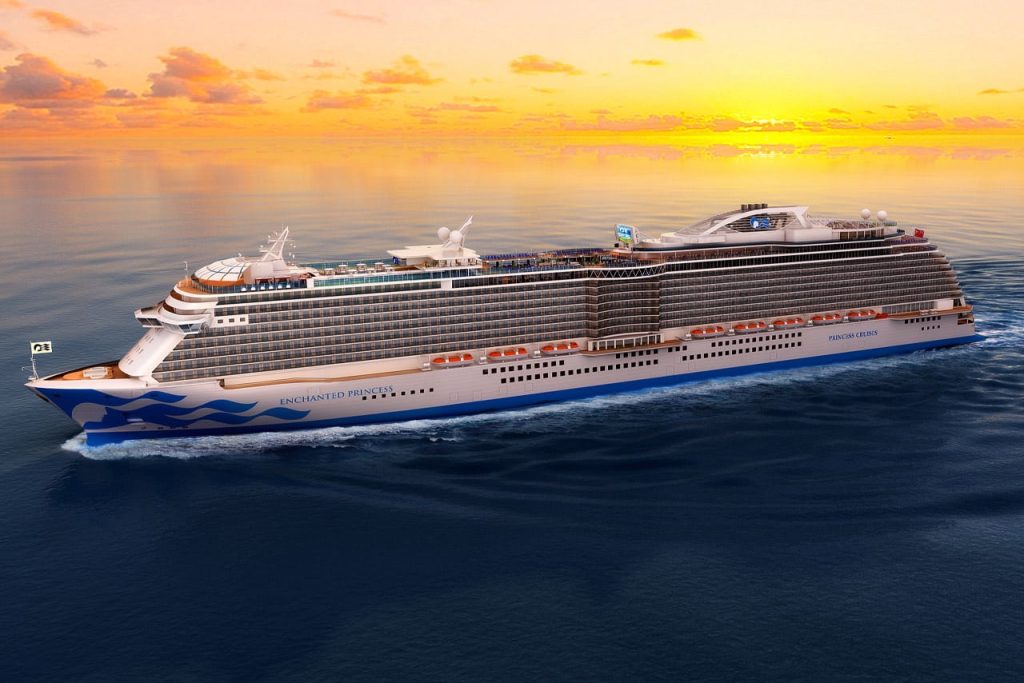
I am talking about cruise ships.
And if you are a young hospitality professional looking for international experience, a cruise liner can be one of the most interesting classrooms you will ever find.
At SHS (The Swiss Hotel School South Africa) we have an increasing number of students and graduates looking to join the cruising industry. Some choose internships and return to the cruise lines after graduation often with a promotion. There are opportunities with MSC, Princess Cruise Lines and Disney.
The first thing to understand is that a cruise ship is essentially a floating hotel, restaurant, entertainment centre and destination experience – with an engine room attached!
The employment opportunities are therefore enormous.
What jobs are available?
The obvious opportunities are in food and beverage and culinary.
Cruise companies recruit chefs, demi chefs, chef de parties, pastry chefs, bakers, restaurant managers, waiters, bartenders and food and beverage supervisors. Princess Cruises, for example, currently lists culinary, restaurant and bar positions, while its South African recruitment partner has vacancies including Chef de Partie, Pastry Chef, Demi Chef, Junior Waiter and Bar Steward.
But the opportunities go far beyond the kitchen.
There are positions in housekeeping, laundry, guest services, reception, reservations, excursions, retail, photography, entertainment, youth programmes, spas and fitness. MSC’s current onboard career structure includes culinary, food and beverage, guest services, hotel operations, housekeeping and laundry, entertainment, retail and casino, spa and excursions.
Then there are the people who actually operate the ship – marine, deck, engineering, medical, IT and technical personnel.
In other words, there is a career at sea for far more than just chefs and waiters.
What sort of ships?
Not all cruise ships are the same.
There are the enormous mainstream cruise liners carrying thousands of passengers, luxury vessels offering highly personalised service, smaller expedition ships visiting remote destinations, and specialist vessels with very different guest experiences.
Brands such as Royal Caribbean, Princess, Norwegian Cruise Line, MSC, Carnival, Cunard, Oceania, Regent Seven Seas and others operate fleets aimed at different markets and travellers. Norwegian alone says its three brands – Norwegian Cruise Line, Oceania Cruises and Regent Seven Seas – offer very different levels and styles of cruising.
And where do you go?
This is probably the bit that attracts young people most.
Depending on the vessel and itinerary, you could find yourself working in the Caribbean, Mediterranean, Alaska, Northern Europe, Asia, Australia, South America or the South Pacific.
Princess, for example, says its ships visit 345 destinations across seven continents.
But there is a catch.
This isn’t a paid holiday.
Cruise employment can involve seven-day working weeks, long hours and living in relatively small crew accommodation. Norwegian states that assignments commonly run from four to nine months, depending on the role and brand.
For the right person, however, the rewards can be considerable: international experience, exposure to different cultures, working with multinational teams and the opportunity to build a genuinely international hospitality career. Oh and large salaries!
And for South African hospitality students and graduates, there is a particularly interesting opportunity here.
Your first job might not be in a hotel at all. It might be at sea.
And that could be the start of a career that takes you around the world.