



Why Do Restaurants Feel So Expensive Right Now?
11 May 2026
What Hospitality Needs More Than Passion. And, Why Education Matters More Than Ever!
1 June 2026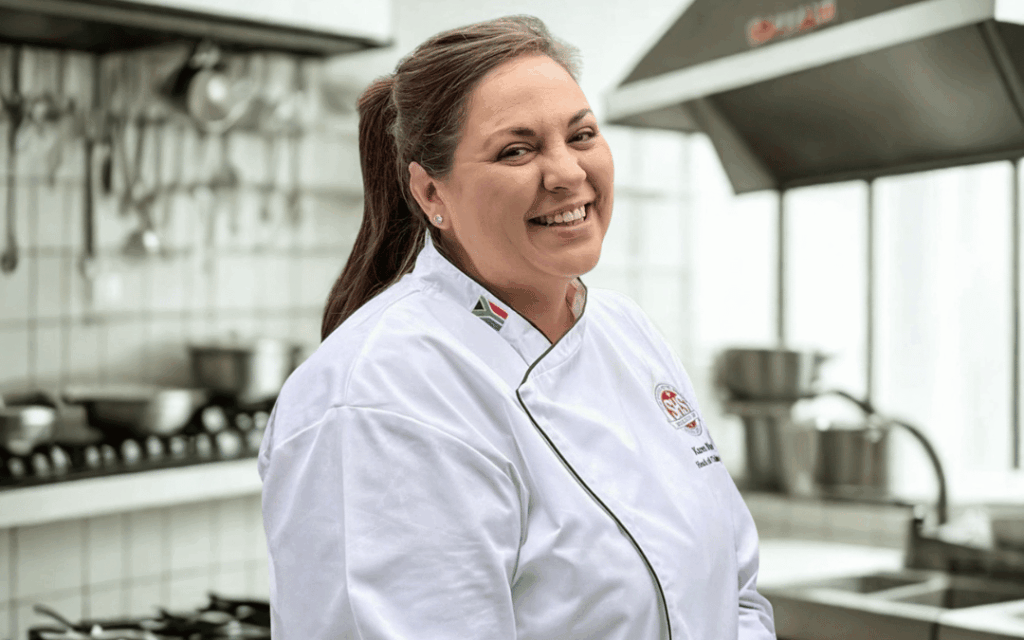
The Swiss Hotel School South Africa
Behind every successful restaurant service is a kitchen operating under pressure, discipline, urgency, and constant movement. Long hours, intense standards, sharp objects, fire, and high expectations are all part of an environment that many people romanticize—but few truly understand.
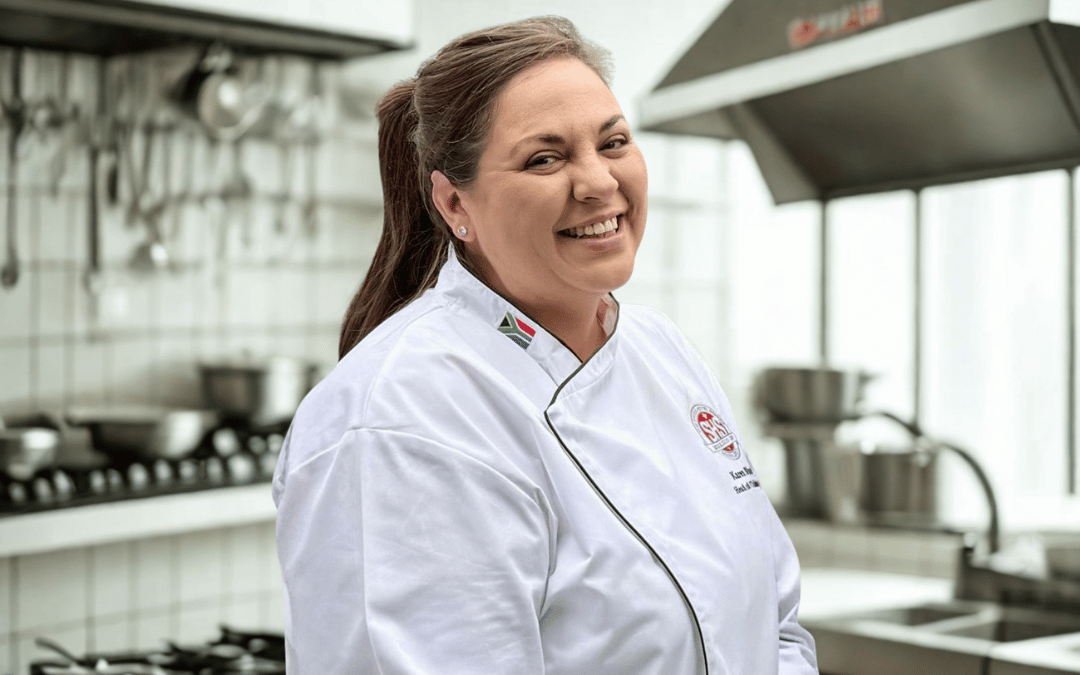
In a recent episode of Hospitality Insight with The SilverFox, Steven Hickmore sat down with culinary educator and Head of Culinary Arts at Swiss Hotel School South Africa, Karen Rouso, for an honest conversation about kitchen culture, chef personalities, burnout, leadership, and what hospitality really looks like behind the scenes.
Why Kitchens Feel So Intense
Professional kitchens are often compared to military environments for a reason. Timing, discipline, hygiene, consistency, and teamwork all need to function perfectly under pressure.
According to the discussion, if standards begin to slip—even slightly—chaos quickly follows. Kitchens operate with structure because they have to.
But modern media has also shaped public perception of the industry.
Television shows like MasterChef and Kitchen Nightmares have helped elevate hospitality, but they have also romanticized kitchen chaos. Dramatic shouting, pressure, and emotional confrontations may make compelling television, but they do not necessarily create healthy kitchens.
The “Screaming Chef” Culture
For decades, aggressive leadership styles were normalized in hospitality.
Many chefs entered the industry believing that shouting, humiliation, and fear were simply part of kitchen life. Stories of chefs throwing pans, screaming during service, or publicly humiliating staff became almost legendary within the industry.
Today, that culture is slowly beginning to change.
The conversation highlighted how younger generations of chefs are increasingly rejecting toxic leadership styles and expecting healthier work environments built on mentorship, communication, and respect.
Movements promoting fairer kitchen culture and mental wellness are becoming more visible across hospitality.
Burnout in Hospitality Is Real
One of the strongest themes in the discussion was burnout.
Hospitality has historically celebrated overwork:
- long shifts
- skipped meals
- exhaustion
- understaffed kitchens
- poor work-life balance
Many chefs built careers believing they simply had to “push through.”
But burnout often shows itself through:
- withdrawal
- fatigue
- mistakes
- emotional detachment
- injuries
- loss of motivation
- depression
The conversation emphasized that leaders need to recognize these warning signs early rather than dismissing them as weakness.
Mental wellness is increasingly becoming one of hospitality’s most important conversations.
Kitchens Are Finally Beginning to Change
While progress is happening, both speakers agreed the industry is not changing quickly enough.
Some kitchens have improved dramatically, focusing on:
- healthier leadership
- better schedules
- staff wellbeing
- mentorship
- balanced workplace culture
But many environments still operate under extreme pressure with excessive hours and unrealistic expectations.
The interview also explored how older hospitality “war stories” can discourage younger chefs from joining the industry. While hospitality is demanding, constantly glorifying exhaustion and suffering creates an unhealthy image of the profession.
Modern Chefs Need Leadership Skills
One of the key points discussed was that chefs are no longer simply cooks.
Modern chefs must also become:
- leaders
- mentors
- communicators
- psychologists
- trainers
- problem-solvers
Understanding people has become just as important as understanding food.
Strong leadership today is less about fear and more about discipline combined with empathy.
The interview highlighted the importance of correcting mistakes without humiliating staff, creating kitchens where chefs can improve, learn, and grow under pressure without losing confidence.
Creativity Still Needs Foundations
The discussion also explored how younger chefs are often inspired by highly artistic plating styles, foams, gels, tweezers, and modern presentation trends before mastering the basics.
While creativity is important, strong foundations remain essential.
According to the interview:
- chefs must first understand technique
- repetition matters
- consistency matters
- fundamentals matter
- creativity should be built on solid training
Without that foundation, modern trends can become style without substance.
Why Many Chefs Still Love Hospitality
Despite the pressure, burnout, and intensity, the conversation repeatedly returned to why chefs stay in the industry.
Hospitality offers:
- creativity
- instant feedback
- global opportunities
- teamwork
- leadership development
- cultural understanding
- human connection
For many chefs, creating experiences and memories for guests remains one of the most rewarding parts of the profession.
Food constantly evolves across cultures, trends, and generations, meaning chefs never truly stop learning.
Advice for Young Chefs Entering the Industry
The episode closed with practical advice for aspiring chefs:
- master the basics
- understand technique, not just recipes
- focus on consistency
- learn the science behind cooking
- build strong foundations
- be patient with growth
- avoid chasing instant gratification
Hospitality can be incredibly rewarding, but success takes time, discipline, and resilience.
The Future of Hospitality Leadership
Perhaps the most important takeaway from the conversation was this:
The future of hospitality leadership is no longer about fear.
It is about:
- standards with humanity
- discipline with empathy
- strong leadership without humiliation
- building kitchens where people can grow, not just survive
Because while pressure will always exist in hospitality, toxic culture does not have to.